

Welcome to Spice
Spice Lounge & Tapas located in Port Credit offers a unique taste and feel that you will enjoy. The cozy restaurant features amazing wine selection, signature sangria and great food made from the freshest ingredients. Spice delivers tastes and wines reminiscent of the Mediterranean coast of Spain. Wines, small plates and entrees are perfect for sharing and comparing.
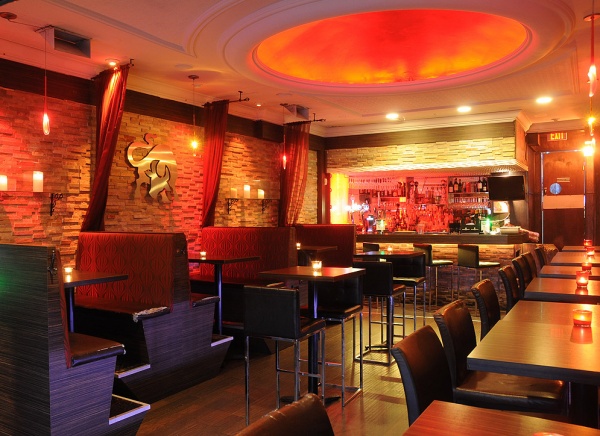
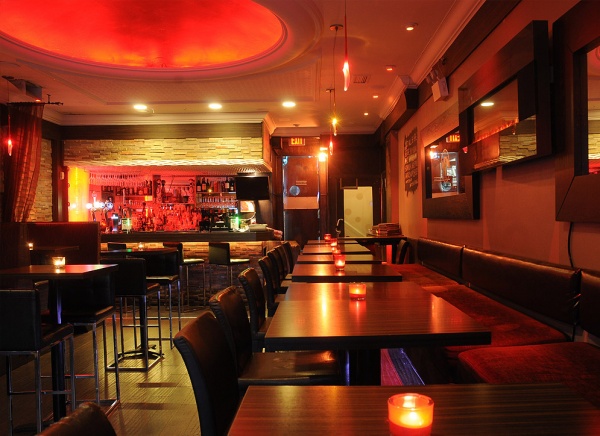
Designed with a sexy, stylish and an overall feeling of warmth, a cozy atmosphere for all to enjoy. Chocolate browns, cream and a splash of Spanish red accent makes it a unique and relaxing place to dine and play. There is a sleek cozy bar for cocktails as well as tall bar tables, inviting nooks, cozy sofa chairs and when the need arises they open 'The Loft', an upstairs overflow takes you in a different place altogether.
Operating Hours
Hours may change during holidays or special occasions. Please contact the establishment for specific information.
| Monday: | 4:00pm - 2:00am |
| Tuesday: | 4:00pm - 2:00am |
| Wednesday: | 4:00pm - 2:00am |
| Thursday: | 4:00pm - 2:00am |
| Friday: | 4:00pm - 2:00am |
| Saturday: | 4:00pm - 2:00am |
| Sunday: | 4:00pm - 2:00am |